
Pond stocking is more than just adding fish to water. It is a strategic process that influences the entire aquatic ecosystem of your pond for years to come. In Louisiana, with its warm climate and abundance of natural aquatic resources, pond owners have a wide variety of fish species for ponds to choose from. However, selecting the right ones and introducing them in a thoughtful manner is key to ensuring the long-term health and balance of your waterbody.
Before diving into specific fish species, it’s important to assess your pond’s size, depth, water quality, and intended use. Are you planning a fishing pond for sport? A decorative pond for aesthetics? Or perhaps a balanced ecosystem to support wildlife? Each of these objectives requires a different stocking strategy. Water temperature, dissolved oxygen levels, vegetation cover, and existing fish population all play a role in what fish will thrive.
In Louisiana, native and well-adapted species should be prioritized. These species are more likely to survive the regional conditions, resist diseases, and avoid disrupting local ecosystems. Poorly planned pond stocking can lead to unbalanced populations, over-predation, or undernourished fish, making the environment unstable and unsustainable.
Selecting the Best Fish Species for Ponds
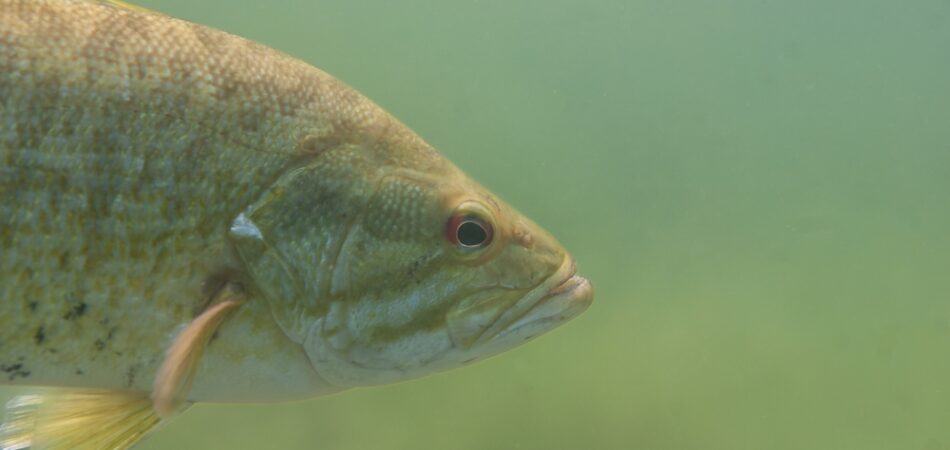
Choosing the appropriate fish species for ponds is the cornerstone of successful stocking. Louisiana pond owners often start with a classic combination: bass and bream stocking. This duo has been a reliable method for decades due to their complementary roles in the aquatic food chain. Largemouth bass serve as the apex predator, while bream, including bluegill and redear sunfish, provide abundant forage and help control insect populations.
Bluegill are particularly valuable because of their high reproductive rate and adaptability to various pond conditions. Redear sunfish, often called shellcrackers, are also a great choice because they help control snail populations, reducing the risk of parasites in your pond.
Another common addition is the channel catfish. These bottom-dwelling fish help utilize the pond’s resources efficiently and provide a popular catch for recreational fishing. Catfish are hardy and grow rapidly when properly fed, making them a good supplemental species in many Louisiana ponds.
For algae and vegetation control, consider adding triploid grass carp. These sterile fish do not reproduce and are effective at consuming excess aquatic vegetation without the risk of overpopulating your pond. However, it is crucial to consult local regulations and acquire the appropriate permits before introducing grass carp, as they are controlled in some parts of Louisiana due to their potential environmental impact.
Timing and Techniques: How to Introduce Fish Properly
Introducing fish into a pond is not as simple as dumping them in. The timing and method of release are just as important as the species themselves. Ideally, pond stocking in Louisiana should occur in the cooler months of fall or early spring, when water temperatures are moderate and stress on the fish is minimized.
Acclimating fish to the pond water is critical. When new fish arrive, especially if they have been transported in bags or containers, the water temperature and chemistry may differ significantly from that of the pond. A gradual introduction allows the fish to adjust without experiencing shock. Placing the container in the pond for 15 to 30 minutes before gently releasing the fish ensures a smoother transition.
Stocking ratios also matter. Overcrowding can lead to competition for food and oxygen, resulting in stunted growth or mass die-offs. Understocking, on the other hand, can leave the pond vulnerable to algae blooms or overpopulation of undesirable species. A balanced ratio for bass and bream stocking typically involves introducing 500 to 1,000 bluegill per acre followed by 100 largemouth bass per acre several months later, allowing the forage base to establish first.
If your pond already contains fish, conducting a fish population survey or electrofishing assessment can provide insight into what’s currently thriving and what may need to be removed or supplemented.
Managing the Pond for Long-Term Balance
Once your pond is stocked, proactive management is key to maintaining fish health and ecosystem balance. Regular monitoring of water quality parameters such as oxygen levels, pH, ammonia, and nitrate levels is essential. Seasonal variations, runoff from surrounding land, and decomposing organic matter can all impact water quality.
Feeding practices should align with your fish population and goals. Supplemental feeding can enhance growth rates and boost survival, particularly for species like catfish and bluegill. However, overfeeding can lead to poor water quality and nutrient buildup. A floating fish feed with high protein content used in moderation is usually sufficient for recreational ponds.
Aquatic vegetation must also be managed carefully. While some plants are beneficial for habitat and oxygen production, excessive growth can crowd the pond and deplete oxygen levels at night. Mechanical removal, biological control through grass carp, and selective herbicide application are all tools that can be used depending on the severity and species of the plants involved.
Another component of long-term pond management is harvesting. Regular fishing helps keep predator populations in check and prevents bass from becoming overpopulated and undernourished. In Louisiana, where warm weather allows for extended growing seasons, fish can reproduce and grow quickly. Therefore, harvesting moderate numbers of intermediate-sized bass and bream each year helps maintain a healthy balance and supports continued fish growth.
Adapting to Local Conditions and Legal Guidelines
Stocking a pond in Louisiana also involves staying informed about state-specific regulations and environmental conditions. The Louisiana Department of Wildlife and Fisheries provides valuable guidelines on which species are recommended, stocking permits required for certain fish, and the best practices for maintaining a healthy pond ecosystem.
For example, non-native or potentially invasive species are often regulated or prohibited due to the risk they pose to native wildlife. Always verify the legality of stocking species such as tilapia, grass carp, or koi before purchasing them. In some cases, certification or documentation from licensed hatcheries may be required.
Additionally, consider the broader environmental context. Are there nearby water bodies that could be affected by overflow or flooding from your pond? Preventing the escape of stocked fish into natural waterways protects local biodiversity and helps avoid ecological disruptions.
Local weather patterns, rainfall, and drought conditions also influence pond dynamics. Evaporation during Louisiana’s hot summers can reduce water levels, affecting fish habitat and increasing concentration of pollutants. Maintaining appropriate water depth and implementing runoff buffers around the pond can help mitigate these issues.
Pond owners are also encouraged to consult with biologists or local extension agents who specialize in aquatic ecology. These professionals can offer customized advice based on your pond’s location, goals, and conditions, ensuring that your stocking plan supports both productivity and sustainability.
Conclusion
Stocking a pond wisely is a long-term investment in the health, productivity, and enjoyment of your aquatic ecosystem. For Louisiana pond owners, the warm climate and rich natural resources offer a unique opportunity to create thriving freshwater habitats. However, this potential can only be realized through careful planning, species selection, and ongoing management.
Whether you’re pursuing bass and bream stocking for sport fishing, managing vegetation with grass carp, or creating a balanced system with multiple fish species for ponds, each decision has a ripple effect on the entire pond environment. Pay attention to stocking ratios, monitor water quality, harvest responsibly, and stay informed about local regulations. In doing so, you can enjoy a vibrant, self-sustaining pond that delivers both ecological value and personal satisfaction for years to come.
Visit us in Lumberton, MS
Established in 1991, we here at Slade’s Fish Hatchery are a family-owned and ran fish hatchery located in Lumberton, Mississippi. We are raisers and distributors of catfish and other game fish, including bass, bream, catfish, tilapia, and grass carp, along with goldfish and koi fish. By controlling the environment, nutrition, breeding, and life cycle, our hatchery has improved the quality and productivity of these fishing for stocking in ponds or use as bait. In addition to our pond stocking and fish sales, we also provide consultation on pond management and maintenance. We frequently serve the Mississippi coast but also will travel for a fee of $2 per mile through Mississippi, Louisiana, and Alabama. Give us a call or drop by today!