
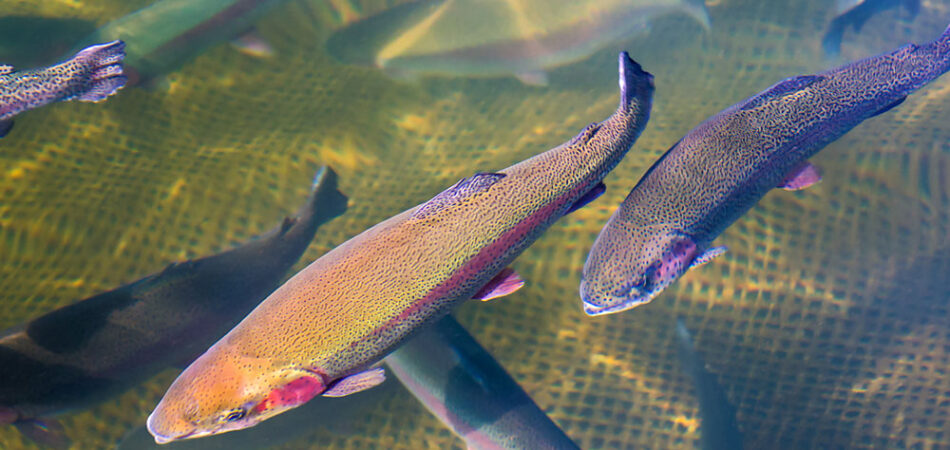
Pond stocking in the southern United States is both a science and an art. Whether you’re building a recreational fishing pond, a decorative water feature, or managing an existing farm pond, selecting the appropriate fish species plays a key role in the long-term success and health of your aquatic ecosystem. Mississippi, Louisiana, and Alabama offer a diverse climate and geography, which opens up a range of options for pond fish stocking. Understanding the compatibility of species, their growth habits, predatory behavior, and their ability to thrive in local conditions is essential.
This guide will explore the most effective strategies and choices for stocking fish for ponds in the Southeast, with a focus on the unique considerations specific to these three states. Whether you’re searching for a “fish hatchery near me” or considering how to manage a growing population, the insights below will help you make informed decisions.
Regional Climate and Pond Ecosystems
The warm and humid climate of Mississippi, Louisiana, and Alabama supports a wide variety of freshwater fish species. However, temperature variations between seasons, water chemistry, and habitat structure within your pond will influence which species will thrive.
In Mississippi, pond stocking should take into account the high summer temperatures and the potential for winter cold snaps. This means selecting fish that can tolerate warm water and occasional temperature drops. Largemouth bass, bluegill, and channel catfish are common choices. These species are hardy, adapt well to local conditions, and provide balanced predator-prey relationships in small to medium-sized ponds.
Louisiana’s extensive wetland and bayou ecosystems inspire many pond owners to mimic natural diversity. This region benefits from a long growing season and ample rainfall, which helps maintain consistent pond levels and water quality. When focusing on pond fish stocking in Louisiana, it’s important to ensure adequate oxygenation and water clarity. Species like redear sunfish and coppernose bluegill perform well, while hybrid striped bass may also be viable for larger ponds with deeper sections.
Alabama’s terrain, ranging from rolling hills to coastal plains, provides a variety of pond types. When stocking fish for ponds in Alabama, landowners should evaluate the pond’s depth, clarity, vegetation, and existing species. Many pond managers opt for a traditional combination of bass, bream, and catfish to establish a sustainable and productive fishery. However, threadfin shad or fathead minnows may be introduced as forage species to support predator populations.
Common Fish Species for Stocking
In all three states, some species are consistently recommended by freshwater fish hatcheries due to their adaptability and ecological value. The classic trio includes largemouth bass, bluegill (or sunfish variants), and channel catfish.
Largemouth bass serve as apex predators and help control the populations of smaller forage fish. They are especially popular among recreational anglers and thrive in ponds that are at least one acre in size, with plenty of structure like submerged logs or aquatic vegetation.
Bluegill and other sunfish species, such as coppernose or redear sunfish, provide a reliable food source for bass. Their fast reproductive rate ensures that predators have a steady supply of forage, though careful management is required to prevent overpopulation. Redear sunfish, often called shellcrackers, are particularly beneficial as they feed on snails, which can help reduce parasites that affect fish and other pond life.
Channel catfish are bottom feeders and perform a vital role in pond ecosystems by consuming leftover food and detritus. They are well-suited to both small farm ponds and larger fishing lakes. They also offer excellent table fare and grow rapidly when fed supplemental pellets.
In Louisiana and Mississippi, hybrid striped bass have gained popularity in larger ponds. These fish are aggressive feeders, offer a challenging catch for anglers, and grow quickly under proper conditions. However, they require higher oxygen levels and more management than other common species.
Considerations When Choosing Species
Stocking decisions should reflect the primary goals of the pond. For example, a pond meant for fishing tournaments or family recreation may emphasize fast-growing predator species, while a decorative or wildlife-friendly pond may focus on native species and aquatic vegetation.
Mississippi landowners often look to their local freshwater fish hatchery for guidance. Many offer site assessments and water testing to determine the suitability of certain species. Soil type, pond depth, and existing wildlife can all affect stocking success.
In Louisiana, it’s important to consider flood risk and water exchange with nearby water bodies. Fish escape and invasive species introduction can be problematic, so using a hatchery with certified disease-free fish is essential. The warm climate also encourages algal blooms, which can impact dissolved oxygen levels and fish health. Hardy species like bluegill and channel catfish are often best for novice pond managers.
For Alabama ponds, vegetation management and water clarity are common challenges. If a pond becomes too weedy, it may affect fish spawning and growth. Grass carp (with proper permits) can be introduced to control vegetation naturally. Fathead minnows can also be stocked initially to provide a food base for young bass. Choosing the right combination ensures pond balance and reduces the need for chemical treatments.
Working with a Local Fish Hatchery
One of the most important steps in the pond fish stocking process is sourcing your fish from a reputable hatchery. Searching for a “fish hatchery near me” will likely reveal several local options across Mississippi, Louisiana, and Alabama. These hatcheries offer not only high-quality fingerlings and fry, but also expert advice tailored to regional needs.
A good hatchery will help you develop a long-term management plan, including stocking rates, feeding schedules, and seasonal maintenance. They may also help with delivery and acclimation, reducing stress on the fish during transport and ensuring higher survival rates.
Before purchasing, it’s wise to ask about the origin of the fish, their health records, and any available guarantees. Many hatcheries also provide forage fish, aquatic plants, and pond treatments. For example, some Mississippi hatcheries specialize in hybrid bream and triploid grass carp, while Alabama facilities may focus more on bass genetics and pond fertilization services.
Working with a hatchery also helps ensure compliance with local regulations. Transporting and introducing fish across state lines without proper documentation can result in ecological imbalances and legal issues. Relying on a certified freshwater fish hatchery provides peace of mind and supports local businesses that understand the needs of southern pond owners.
Managing the Stocked Pond
After the initial stocking, active pond management becomes crucial. Regular monitoring of water quality, fish growth, and population balance will help maintain a thriving environment. Each state has its own seasonal patterns and ecological risks, so customizing your management approach is vital.
In Mississippi, spring and fall are ideal for evaluating fish size and condition. Feeding programs may be ramped up during warmer months to encourage faster growth. Aeration systems can also be installed to prevent summer fish kills, especially in deeper ponds.
Louisiana pond owners often focus on algae control and oxygen levels. Because of the state’s rich organic soils and high rainfall, ponds can become nutrient-rich quickly. This leads to explosive aquatic plant growth that may need to be managed biologically or mechanically.
In Alabama, attention often turns to maintaining predator-prey balance. If bass begin to appear underweight or sunfish populations dwindle, corrective stocking may be needed. Regular electrofishing surveys or catch records can help identify imbalances before they become severe.
Pond owners in all three states benefit from partnering with local extension services or fisheries biologists. These resources provide up-to-date research, workshops, and site visits that can prevent costly mistakes and improve the long-term productivity of your pond.
Conclusion
Choosing the right fish species for pond stocking in Mississippi, Louisiana, and Alabama requires an understanding of local environmental conditions, pond goals, and species behavior. Whether you’re building a new fishing pond or enhancing an existing water body, thoughtful species selection and proper management are key to creating a healthy and sustainable aquatic ecosystem.
Largemouth bass, bluegill, channel catfish, and other native or hybrid species each bring specific benefits, but they must be introduced in balanced numbers and supported with good habitat and ongoing care. Working with a reputable freshwater fish hatchery ensures you get healthy, compatible fish and expert advice tailored to your region.
As you search for a “fish hatchery near me,” consider their experience, fish offerings, and willingness to support your goals. With the right plan in place, your pond can provide years of enjoyment, environmental value, and productive fishing across the rich landscapes of the Southeast.
Visit us in Lumberton, MS
Established in 1991, we here at Slade’s Fish Hatchery are a family-owned and ran fish hatchery located in Lumberton, Mississippi. We are raisers and distributors of catfish and other game fish, including bass, bream, catfish, tilapia, and grass carp, along with goldfish and koi fish. By controlling the environment, nutrition, breeding, and life cycle, our hatchery has improved the quality and productivity of these fishing for stocking in ponds or use as bait. In addition to our pond stocking and fish sales, we also provide consultation on pond management and maintenance. We frequently serve the Mississippi coast but also will travel for a fee of $2 per mile through Mississippi, Louisiana, and Alabama. Give us a call or drop by today!