
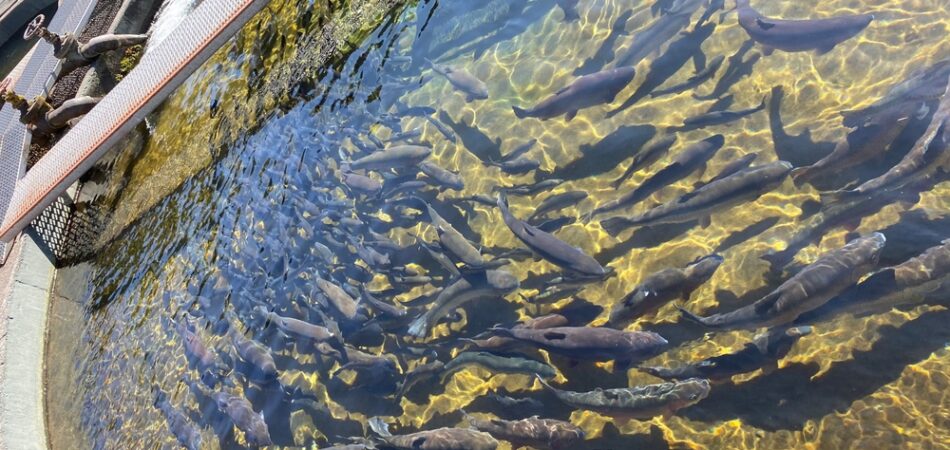
Fish stocking is more than just placing a few fish into a pond and hoping for the best. In Mississippi, where ponds play a critical role in recreational fishing, aquaculture, and property value, proper fish stocking services are essential for creating a thriving aquatic ecosystem. From the piney woods of Lumberton, MS, to the fertile farmland scattered across the state, landowners are investing in their ponds to ensure sustainable, enjoyable fishing experiences for years to come.
This blog will guide you through the ins and outs of effective pond stocking in Mississippi. You will learn how to select the right species, when and how to introduce them, and what to expect as your fish community develops over time.
Understanding the Importance of Fish Stocking in Mississippi
Ponds are dynamic environments that require balance. Stocking a pond without understanding the ecosystem can lead to overpopulation, stunted growth, poor water quality, or a lack of desirable species. That is why professional fish stocking services in Mississippi are highly recommended. These services evaluate your pond’s size, water quality, vegetation, and existing fish populations to develop a tailored plan that ensures long-term success.
In regions like Lumberton, MS, many landowners use ponds for sport fishing, aesthetics, or livestock. Each of these purposes may demand a different approach. For example, a pond designed for game fishing might focus on predator-prey dynamics, while a livestock pond might need a more balanced, low-maintenance population.
Proper pond stocking sets the foundation for a self-sustaining ecosystem. With the help of knowledgeable professionals, you can avoid common mistakes and create a thriving aquatic habitat.
Choosing the Right Fish Species for Your Pond
Selecting the right species to stock is one of the most important decisions in pond management. In Mississippi, popular choices include largemouth bass, bluegill, redear sunfish, and channel catfish. These fish complement each other in terms of reproduction rates, feeding habits, and roles in the aquatic food web.
Game fish stocking in MS often begins with establishing a strong base of forage fish, such as bluegill and fathead minnows. These species reproduce quickly and provide essential nutrition for larger predators like bass. Stocking forage fish first gives them time to multiply before predators are introduced.
In ponds where catfish are desired, it is important to consider their effect on the balance. While they can coexist with other species, overstocking catfish can lead to muddy water conditions and may outcompete other fish for food.
Each species thrives in different conditions. Consulting a provider that offers fish stocking services tailored to the Mississippi environment will help determine which fish are most compatible with your pond’s size, depth, and intended use.
Timing and Techniques for Stocking a Pond
When it comes to pond stocking, timing is everything. Stocking fish in Mississippi is usually done in the cooler months, typically in early spring or fall. These times offer moderate water temperatures, reducing stress on newly introduced fish and improving survival rates.
Before introducing any fish, it is important to ensure that the pond is ready. This means checking oxygen levels, managing aquatic vegetation, and testing for proper pH and nutrient levels. If you are starting from scratch, consider fertilizing the pond to stimulate plankton growth, which serves as the base of the food chain.
Stocking is not a one-time event. Successful programs often involve staggered stocking over several months or even years. Starting with forage fish, followed by game fish once the food base is established, supports a stable ecosystem and prevents overpopulation of certain species.
When transporting fish, temperature and water quality must be carefully managed. Professional fish stocking services use oxygenated bags or tanks to ensure fish remain healthy during transit. Upon arrival, fish should be slowly acclimated to the pond’s temperature before release.
Common Mistakes to Avoid in Pond Stocking
Improper fish stocking can lead to a variety of problems that are difficult and expensive to correct. One common mistake is introducing too many fish too quickly. Overstocking often leads to limited resources, high competition, and stunted growth. Instead, focus on a gradual approach guided by professionals familiar with pond stocking in Mississippi.
Another frequent error is choosing species that do not coexist well. For example, introducing aggressive predators without enough forage fish can lead to starvation and poor fishing results. Additionally, adding non-native species may disrupt the natural balance and introduce disease.
Failing to consider long-term maintenance is also a common pitfall. Even a well-stocked pond requires periodic monitoring, habitat management, and water quality checks. Skipping these steps may undo your investment and diminish the pond’s productivity over time.
By partnering with a provider experienced in stock fish for ponds in Mississippi, you gain access to a structured plan, science-backed recommendations, and a greater chance of building a healthy, long-lasting fishery.
Long-Term Pond Management and Sustainability
After the initial stocking, your pond will require ongoing management to maintain a productive fish population. Long-term success depends on monitoring fish health, checking water quality, and managing vegetation. Fertilization and aeration may also be necessary, depending on the pond’s location and intended use.
Regularly assess the fish population through surveys or selective harvesting. Over time, some fish will naturally overpopulate, especially bluegill and catfish. Harvesting excess individuals helps maintain balance and supports the growth of remaining fish.
Controlling aquatic weeds and algae is another critical aspect of pond maintenance. Too much vegetation can reduce oxygen levels and make fishing difficult. However, some cover is important for young fish to hide from predators. The key is balance, often achieved through biological controls, mechanical removal, or chemical treatments.
Professional fish stocking services offer recurring visits to evaluate your pond’s health and make adjustments as needed. With the right support, even small ponds in places like Lumberton, MS can produce trophy-sized bass and a robust variety of other species.
Proper record-keeping is also helpful. Tracking what you stock, harvest, or observe over the years allows you to make informed decisions and adjust your strategy for future success.
Conclusion
Fish stocking is a rewarding endeavor that, when done correctly, turns an ordinary pond into a vibrant aquatic ecosystem. Whether you own property in Lumberton or another part of Mississippi, enlisting the help of local fish stocking services ensures that you build a balanced, sustainable fishery.
From choosing the right species to understanding stocking techniques and long-term maintenance, every step plays a vital role in pond health. Stocking your pond is not just about adding fish; it is about creating a thriving environment where both fish and people can enjoy the benefits for generations.
If you are considering fish stocking in Mississippi, reach out to a local expert to design a personalized plan. With the right guidance, your pond can become a source of pride, recreation, and ecological richness for years to come.
Visit us in Lumberton, MS
Established in 1991, we here at Slade’s Fish Hatchery are a family-owned and ran fish hatchery located in Lumberton, Mississippi. We are raisers and distributors of catfish and other game fish, including bass, bream, catfish, tilapia, and grass carp, along with goldfish and koi fish. By controlling the environment, nutrition, breeding, and life cycle, our hatchery has improved the quality and productivity of these fishing for stocking in ponds or use as bait. In addition to our pond stocking and fish sales, we also provide consultation on pond management and maintenance. We frequently serve the Mississippi coast but also will travel for a fee of $2 per mile through Mississippi, Louisiana, and Alabama. Give us a call or drop by today!