
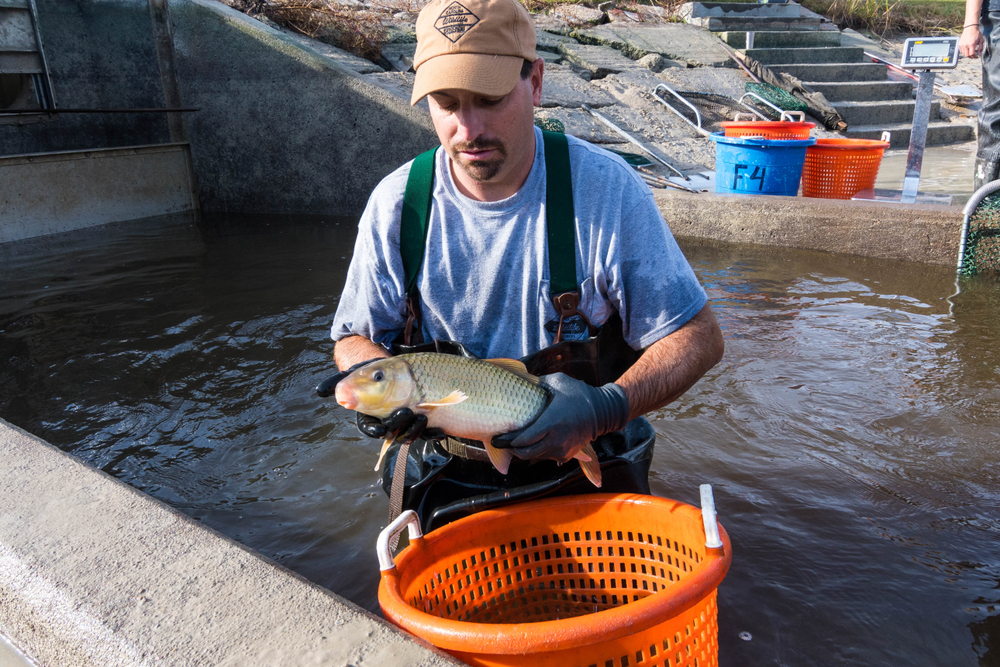
There is something special about owning a pond in Mississippi. Whether it sits behind your home, anchors a piece of hunting land, or serves as the centerpiece of a new rural property, a well-stocked pond brings both beauty and purpose. However, before you place your first order, it is important to understand a key difference that will shape the health and success of your water: game fish versus bait fish. For first-time pond owners, this decision is not just about what you want to catch. It is about creating balance, supporting long-term growth, and making sure your investment thrives for years to come. Understanding how these fish work together is the foundation of smart stocking decisions.
Understanding the Role of Game Fish in Your Pond
Game fish are typically the species pond owners are most excited about. These are the fish you plan to catch, grow, and enjoy over time. In Mississippi ponds, popular options often include bass, catfish, and certain types of carp depending on your goals. Game fish stocking is the backbone of a recreational pond, but it must be done thoughtfully.
Largemouth bass, for example, are a favorite across the state. They grow well in Mississippi’s warm climate and provide excellent sport. Catfish are another common choice, offering both recreational fishing and food value. Some landowners also consider carp stocking in Mississippi to help manage vegetation or improve certain water conditions.
However, game fish do not exist in isolation. They are predators, and predators require a steady food supply. If you stock bass without providing adequate forage, growth rates will suffer. Fish may compete aggressively for limited resources, leading to stunted populations. That is why simply ordering your favorite species without a plan can create long-term challenges.
Working with a knowledgeable hatchery makes a difference here. Slade’s Fish Hatchery brings decades of breeding experience to help pond owners determine not only which game fish to choose, but also how many and when to introduce them. Timing and ratios are critical, especially for new ponds.
Why Bait Fish Are the Unsung Heroes of a Healthy Pond
While game fish often get the spotlight, bait fish quietly play an essential supporting role. These smaller species provide the forage base that allows your larger fish to grow strong and healthy. Without them, your pond ecosystem will struggle.
Common bait fish options include minnows and certain forage species like bluegill. In fact, bluegill stocking is often one of the first steps in establishing a balanced pond. Bluegill reproduce quickly, providing a renewable food source for bass and other predators. They also offer light fishing opportunities for families and young anglers.
When first-time pond owners hear the term bait fish supplier, they sometimes assume it is only about live bait for fishing trips. In reality, a reputable bait fish supplier plays a critical role in building a sustainable pond environment. The right forage species improve growth rates, reduce stress among predator fish, and help maintain ecological balance.
Mississippi’s climate allows for strong reproduction cycles, but that also means overpopulation can become an issue if the pond is not properly managed. The key is balance. Too many bait fish without enough predators can lead to overcrowding. Too many predators without adequate forage leads to slow growth and unhealthy fish. Striking the right ratio from the beginning sets the stage for success.
Creating the Right Stocking Plan for New Ponds
For landowners planning initial stocking, patience is one of the most important ingredients. A new pond is a developing ecosystem. Rushing the process can create imbalances that take years to correct.
Typically, forage species are introduced first. This allows them to establish breeding populations before predator fish are added. Bluegill stocking often happens months before bass are released, giving them time to multiply and create a reliable food base.
Game fish stocking follows once the forage population is stable. The exact numbers depend on pond size, depth, water quality, and your long-term goals. Are you aiming for trophy bass? Do you want steady family fishing opportunities? Are you interested in multi-species variety with catfish, carp, and bass coexisting? Each goal requires a slightly different approach.
Slade’s Fish Hatchery understands the unique conditions of ponds across southern Mississippi. Being a local fish farm near Hattiesburg, MS, means they are familiar with soil types, water temperatures, and regional challenges that out-of-state suppliers might overlook. That local hatchery advantage ensures fish are already acclimated to similar conditions before they ever reach your pond.
For first-time pond owners, personalized guidance matters. Instead of guessing at stocking numbers, you can rely on experienced professionals who have helped landowners build thriving ponds for decades.
The Benefits of Choosing a Local Hatchery
Ordering fish is not just about species selection. It is also about quality, health, and service. Choosing a local hatchery offers several important benefits, especially for new pond owners.
Fish raised in Mississippi conditions are better suited to Mississippi ponds. Transport time is shorter, which reduces stress and increases survival rates. Local hatcheries also understand seasonal timing, helping you avoid stocking during temperature extremes that could harm young fish.
Slade’s Fish Hatchery has built its reputation on decades of breeding experience. That history translates into healthy stock, careful handling, and attention to detail. From catfish and bass to carp and bait fish, their variety allows pond owners to create customized ecosystems tailored to their property.
There is also something to be said for Southern hospitality. When you work with a local hatchery, you are not just placing an order online. You are having a conversation. You can ask questions about water clarity, feeding schedules, or long-term management strategies. That personalized service helps first-time pond owners feel confident in their decisions.
As a trusted bait fish supplier and provider of game fish stocking services, Slade’s Fish Hatchery focuses on relationships as much as results. That community-centered approach often makes the difference between a pond that survives and one that truly thrives.
Planning for Long-Term Pond Success
Stocking your pond is only the beginning. Ongoing management plays a critical role in maintaining balance between game fish and forage species. Regular observation, occasional harvesting, and thoughtful restocking all contribute to a healthy aquatic environment.
Over time, you may need to supplement your forage base or adjust predator numbers. Bluegill populations can fluctuate, and predator growth rates may vary depending on weather and feeding conditions. Periodic consultation with an experienced hatchery ensures your pond remains on track.
Carp stocking in Mississippi may also be considered if vegetation becomes excessive. Certain carp species can help manage plant growth, though they must be introduced carefully to avoid unintended consequences. Professional advice helps you determine whether this step aligns with your pond’s goals.
For first-time pond owners, the process can feel overwhelming. However, with the right partner, it becomes manageable and even enjoyable. Slade’s Fish Hatchery combines decades of breeding expertise with genuine care for the local community. As a fish farm near Hattiesburg, MS, they understand the unique challenges and opportunities of Mississippi ponds.
A well-balanced pond offers more than fishing. It becomes a gathering place for family, a habitat for wildlife, and a source of pride for landowners. By understanding the difference between game fish and bait fish before placing your first order, you set the stage for long-term success. With thoughtful planning, proper ratios, and guidance from experienced professionals, your Mississippi pond can flourish for generations to come.