
If you have ever stood at the edge of a quiet pond in South Mississippi and imagined pulling a trophy largemouth bass from the water, you are not alone. Landowners across the region share that dream, and the good news is that it is entirely achievable with the right planning, the right fish, and the right hatchery partner. From the rolling pine forests near Lumberton, MS, to the coastal plains stretching toward the Gulf, Mississippi offers some of the most fertile pond environments in the entire country.
Understanding how to stock that pond correctly is the first and most important step toward turning that vision into reality.
Understanding Your Pond Before You Stock It
Before you ever place a call to a fish hatchery, you need to know what you are working with. The size, depth, water quality, and existing biology of your pond will determine which species thrive and which ones struggle. In South Mississippi, warm temperatures and high humidity create growing conditions that accelerate fish development, but they also fuel aquatic vegetation and algae growth that can choke out a poorly managed pond in a single season.
Start by measuring your pond accurately. A one-acre pond and a five-acre pond require completely different stocking strategies, and overcrowding is one of the most common mistakes new pond owners make. Next, test your water. pH levels between 6.5 and 9.0 are generally ideal for most sport fish species. Alkalinity and dissolved oxygen levels matter just as much. Many fish hatcheries in the region offer consultation services and can help you interpret your water test results before recommending a stocking plan.
Shallow ponds with heavy vegetation may need to be treated before stocking. Dense mats of hydrilla or coontail can reduce oxygen levels overnight and stress or kill newly introduced fish. A pond manager or hatchery professional familiar with South Mississippi conditions will be an invaluable resource during this stage.
Choosing the Right Fish for a Trophy Pond
Not all pond stocking plans are created equal. If your goal is growing trophy-class fish, you need to think carefully about the species you introduce and the balance you maintain between predator and prey. In Mississippi, the most popular combination for sport fish ponds remains largemouth bass and bluegill, and for good reason. This pairing creates a self-sustaining food web that, when managed correctly, can produce impressive results within just a few years.
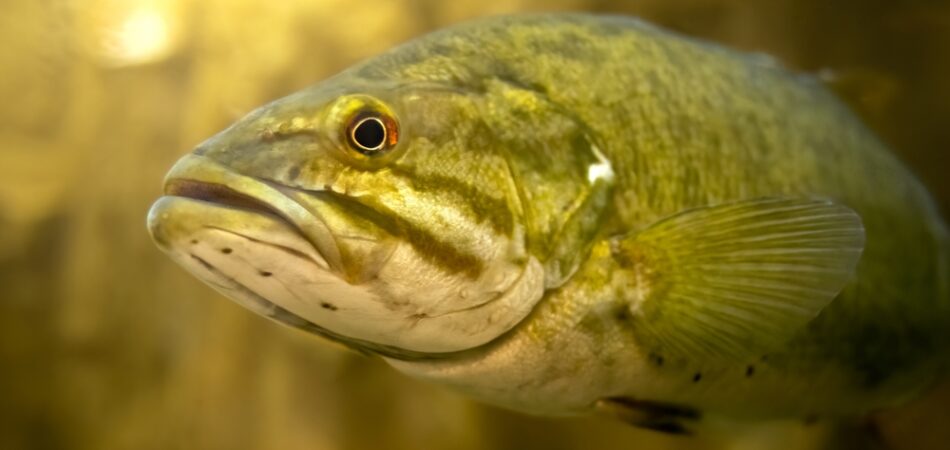
Largemouth bass are the crown jewel of most trophy ponds in the region. Florida-strain largemouth bass, in particular, are well-suited to the warm climate of South Mississippi and are known for their potential to reach double-digit weights. Many landowners near Lumberton, MS and throughout the surrounding counties have invested in Florida-strain fingerlings from a quality fish hatchery to give their ponds a genetic advantage from the very beginning.
Bluegill serve as the primary forage base for bass and reproduce prolifically in Mississippi’s warm ponds. Stocking them at the right ratio to bass is critical. A common starting point is ten bluegill for every one bass fingerling, which gives the forage population time to establish before the predator population begins to pressure it.
Channel catfish are another popular addition for Mississippi pond owners, both for sport and for table fare. They occupy a different ecological niche than bass and generally do not compete directly with your trophy fish goals. Hybrid bluegill and redear sunfish are also worth considering, as they add diversity and help control certain pest species like snails, which can carry parasites harmful to other fish.
Working with a Fish Hatchery in South Mississippi
Choosing the right fish hatchery is just as important as choosing the right fish. A reputable hatchery will not simply sell you fish and send you on your way. The best operations in South Mississippi take time to understand your goals, assess your pond’s carrying capacity, and recommend a stocking plan tailored to your specific situation. They will also provide healthy, disease-free stock that has been raised under controlled conditions, giving your fish the strongest possible start.
When evaluating a fish hatchery, ask about the origin of their brood stock. Florida-strain bass, as mentioned, are a smart investment for trophy-focused ponds in this climate. Ask whether their fish are certified disease-free and how they handle transportation to reduce stress during delivery. Stressed fish have weakened immune systems and are far more vulnerable to disease and predation in the critical first weeks after stocking.
Landowners near Lumberton, MS have access to several hatchery operations serving the broader South Mississippi region, and it is worth consulting with more than one before making a decision. Pricing matters, but the quality of the stock and the depth of the hatchery’s expertise should weigh more heavily in your final choice. A poorly stocked pond will cost you far more in lost time and replanting than any upfront savings on cheaper fish.
Timing your pond stocking order is also worth discussing with your hatchery. In Mississippi, fall and early spring are generally preferred windows for introducing fingerlings. Cooler water temperatures reduce stress on the fish during transport and acclimation, and the fish have time to establish before the heat of summer arrives.
Feeding, Fertilizing, and Long-Term Pond Management
Stocking a pond is not a one-time event. It is the beginning of an ongoing management relationship with your water. In South Mississippi, consistent fertilization is one of the most effective tools for building a productive trophy pond. Fertilizing the water column encourages phytoplankton growth, which forms the base of the aquatic food chain and ultimately supports the insects, zooplankton, and small forage fish that your sport fish depend on.
Supplemental feeding is another powerful management tool, particularly for bass ponds focused on accelerated growth. Automatic feeders loaded with high-protein pellets can condition bass to feed on demand, increasing their growth rate significantly above what they would achieve on forage alone. Many successful trophy pond managers in Mississippi combine feeding programs with harvest restrictions, meaning they carefully control how many and what size fish are removed from the pond each season.
Monitoring your fish population regularly through electrofishing surveys or trap netting gives you data-driven insight into how your pond is progressing. A local fisheries biologist or your fish hatchery contact can help you interpret that data and adjust your management strategy accordingly. Overpopulation of stunted bluegill, for example, is a common problem in unmanaged ponds and can sabotage even the best stocking plan.
Weed and algae management should also be part of your annual routine. Selective aquatic herbicides can control problem vegetation without harming your fish population, and maintaining open water areas encourages better feeding activity and more productive angling.
Conclusion
Building a trophy pond in South Mississippi is a rewarding long-term project that begins with a single smart decision: stocking correctly from the start. By partnering with a trusted fish hatchery, selecting the right sport fish species for your goals, and committing to ongoing management practices, landowners in the Lumberton, MS area and across Mississippi can create fisheries that produce outstanding results for generations. The investment of time and planning pays off every time a trophy bass breaks the surface on a quiet Mississippi morning.
Visit us in Lumberton, MS
Established in 1991, we here at Slade’s Fish Hatchery are a family-owned and ran fish hatchery located in Lumberton, Mississippi. We are raisers and distributors of catfish and other game fish, including bass, bream, catfish, tilapia, and grass carp, along with goldfish and koi fish. By controlling the environment, nutrition, breeding, and life cycle, our hatchery has improved the quality and productivity of these fishing for stocking in ponds or use as bait. In addition to our pond stocking and fish sales, we also provide consultation on pond management and maintenance. We frequently serve the Mississippi coast but also will travel for a fee of $2 per mile through Mississippi, Louisiana, and Alabama. Give us a call or drop by today!