
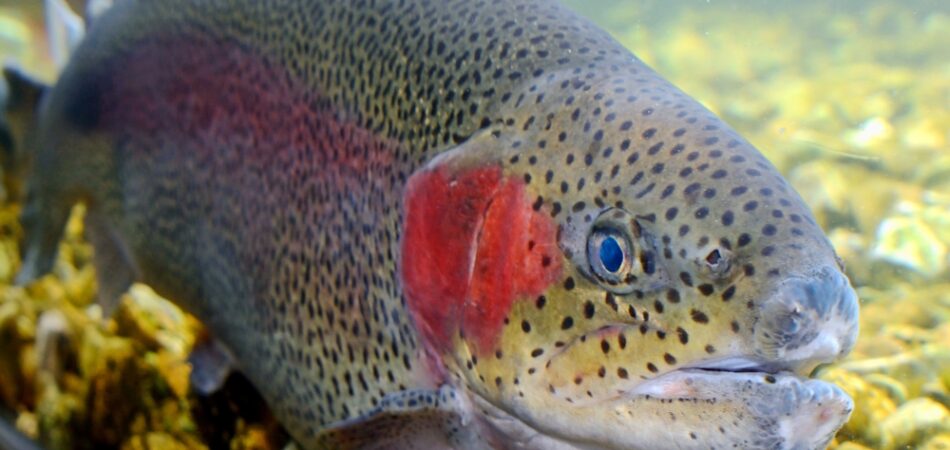
The warm climate, fertile soil, and abundant rainfall that define Lamar County and Pearl River County create near-perfect conditions for growing trophy-sized fish. But a pond does not manage itself. Without a smart stocking plan and consistent pond care, even the most promising body of water can turn into an overcrowded, stunted mess that disappoints every angler who throws a line.
This guide walks you through everything you need to know about fish stocking, pond management, and building a fishery that produces big game fish year after year.
Understanding Your Pond Before You Stock It
Before you order a single fish from a fish hatchery in Lumberton, MS, you need to understand what your pond can support. Pond management starts with an honest assessment of your water. That means testing pH levels, dissolved oxygen, water clarity, and depth. In South Mississippi, ponds can experience significant water quality shifts during the hot summer months, so knowing your baseline is critical.
A healthy pond for big game fish should have a pH between 6.5 and 8.5, dissolved oxygen levels above 5 parts per million, and an average depth of at least six feet to prevent full winterkill or summertime oxygen crashes. If your water is too acidic, agricultural lime can raise the pH. If your pond is shallow and weedy, mechanical removal or approved aquatic herbicides can restore balance before you invest in fish stocking.
You should also measure the surface acreage of your pond. This number will guide every stocking decision you make. Overcrowding is one of the most common mistakes pond owners in Lamar County and Pearl River County make, and it leads directly to poor growth rates and small, skinny fish.
Choosing the Right Fish Species for South Mississippi Ponds
South Mississippi ponds are well-suited for several game fish species, and the combination you choose will shape your fishing experience for years. The most popular and productive stocking strategy for ponds in this region is the classic largemouth bass and bluegill combination, often supplemented with channel catfish and redear sunfish.
Largemouth bass are the top predator in most Mississippi ponds, and they are what most landowners are really after when they talk about big game fish. To grow big bass, you need an abundant forage base. Bluegill and redear sunfish serve that purpose perfectly. They reproduce quickly, provide a steady food source for bass, and are fun to catch on their own.
Channel catfish are a smart addition for South Mississippi ponds because they are hardy, grow fast in warm water, and put up a great fight on rod and reel. They also serve as an efficient cleanup crew, feeding on organic matter along the bottom. A reputable fish hatchery in Lumberton, MS can supply all of these species and advise you on the right stocking ratios for your specific pond size and goals.
For a new pond, a common starting ratio is 500 bluegill, 50 largemouth bass, and 100 channel catfish per surface acre. Some pond managers in Lamar County also add fathead minnows in the first year to give juvenile bass a head start on feeding before the bluegill population fully establishes itself.
Developing a Fish Stocking and Feeding Program
Stocking your pond is just the beginning. To grow big fish fast, you need to think carefully about supplemental feeding and how it fits into your overall pond management plan. Automatic fish feeders loaded with high-protein pellets can dramatically accelerate growth rates, particularly for catfish and bluegill. When the forage base thrives, bass grow faster and reach trophy size in less time.
Timing matters when it comes to fish stocking in South Mississippi. Spring and fall are the best seasons to introduce new fish because water temperatures are moderate, which reduces stress on the fish during transport and acclimation. Summer stocking can work, but it requires extra care to ensure dissolved oxygen levels are adequate and that the fish are not being added during an algae bloom or oxygen crash.
When working with a fish hatchery in Lumberton, MS, ask about fingerling sizes versus adult sizes. Fingerlings are less expensive and adapt quickly, but they are more vulnerable to predation. If you already have a mature bass population in your pond, stocking large fingerlings or sub-adult fish gives new additions a better survival rate.
Keep records of every stocking event. Write down the species, quantity, size, date, and water conditions at the time of stocking. These records will help you and your pond management consultant identify patterns, troubleshoot problems, and plan future additions more effectively.
Ongoing Pond Care and Habitat Management
Great fishing does not happen by accident. The ponds in Pearl River County and Lamar County that consistently produce big bass and heavy catfish are the ones with owners who treat pond care as a year-round responsibility, not a once-a-year project.
Aquatic vegetation is a double-edged sword in South Mississippi ponds. Some coverage is beneficial. Submerged grasses and emergent plants provide spawning habitat, shelter for juvenile fish, and feeding zones for larger predators. But when vegetation covers more than 20 to 30 percent of the pond surface, it begins to compete with fish for oxygen and can crash dissolved oxygen levels overnight during cloudy weather.
Regular water testing, at least twice per year, helps you catch problems early. If pH drops below 6.5, apply agricultural lime at a rate recommended by your county extension agent or pond management professional. If algae blooms become a recurring issue, check for nutrient loading from fertilizer runoff, animal waste, or decaying organic material near the shoreline.
Adding fish habitat structures is another underused tool in pond care. Brush piles, submerged logs, and rock piles give bass ambush points and attract baitfish. In South Mississippi ponds, these structures can double or triple your catch rates by concentrating fish in predictable locations.
Aerators are worth every penny in South Mississippi. The summer heat drives up water temperatures and drops dissolved oxygen to dangerous lows. A well-placed fountain aerator or diffused air system keeps oxygen levels stable, reduces fish kills, and can support a higher density of fish per acre. Ponds in Lamar County and Pearl River County that use aeration consistently outperform ponds that rely on natural oxygen exchange alone.
Working With Local Experts for Long-Term Success
No guide can replace the value of working with someone who knows the specific conditions of your county, your soil type, and your watershed. Pond management in South Mississippi is not a one-size-fits-all endeavor. The red clay hills of Lamar County behave differently than the sandy soils closer to the Pearl River County lowlands. Water retention, fertility, and natural forage availability vary significantly from one property to the next.
A fish hatchery in Lumberton, MS staffed by knowledgeable professionals can do more than just sell you fish. They can assess your pond, recommend species combinations, advise on stocking densities, and help you build a multi-year management plan. Many also offer electrofishing surveys, which give you a detailed snapshot of your current fish population, size distribution, and overall pond health.
State resources are also available through the Mississippi Department of Wildlife, Fisheries, and Parks. Their private lands fisheries biologists offer free consultations for landowners and can connect you with local fish stocking programs.
Conclusion
A productive fishing pond in South Mississippi is absolutely achievable with the right foundation. Start with solid pond care practices, stock smart with help from a trusted fish hatchery in Lumberton, MS, and commit to ongoing pond management through every season. Whether your land sits in Lamar County or Pearl River County, the region’s climate gives your fish every advantage they need to grow big. Your job is to give them the habitat, forage, and water quality to reach their full potential.
Visit us in Lumberton, MS
Established in 1991, we here at Slade’s Fish Hatchery are a family-owned and ran fish hatchery located in Lumberton, Mississippi. We are raisers and distributors of catfish and other game fish, including bass, bream, catfish, tilapia, and grass carp, along with goldfish and koi fish. By controlling the environment, nutrition, breeding, and life cycle, our hatchery has improved the quality and productivity of these fishing for stocking in ponds or use as bait. In addition to our pond stocking and fish sales, we also provide consultation on pond management and maintenance. We frequently serve the Mississippi coast but also will travel for a fee of $2 per mile through Mississippi, Louisiana, and Alabama. Give us a call or drop by today!