
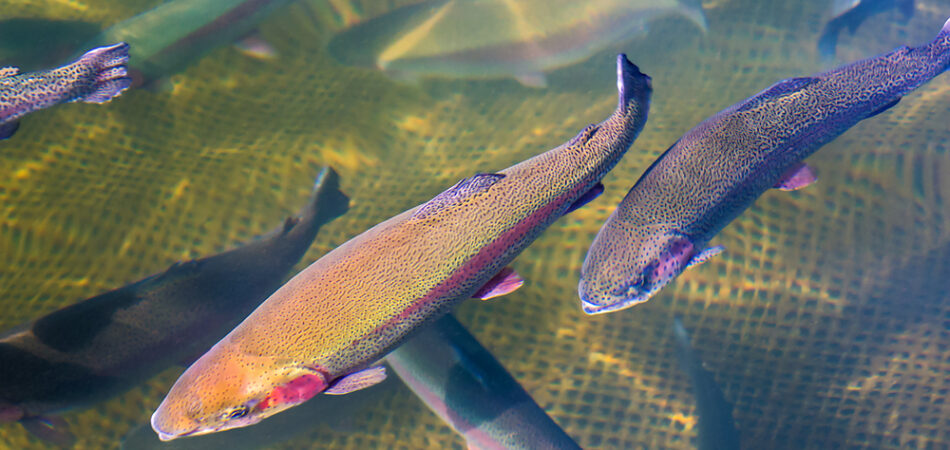
A healthy fishing pond does not happen by accident. In Mississippi, warm temperatures, long growing seasons, heavy rainfall, and changing water conditions all play a role in how well fish populations thrive. Whether you own a recreational pond near Lumberton or manage a larger property in South Mississippi, proper stocking and long-term management are essential for creating a productive fishery.
Quick Answer
Successfully stocking and managing a fishing pond in Mississippi starts with choosing the right fish species, stocking them in the proper order and numbers, maintaining good water quality, and monitoring fish populations over time. Regular management helps prevent overcrowding, improves fish growth, and creates a healthier, more enjoyable pond for years to come.
What Local Pond Owners Should Know
-
Mississippi’s long growing season allows many fish species to grow quickly when ponds are properly managed.
-
New ponds should typically establish forage fish before introducing predator species.
-
Water quality, pond depth, and aquatic vegetation all influence fish health throughout Pearl River County and surrounding areas.
-
Seasonal management is just as important as the initial stocking plan.
-
Professional guidance helps prevent expensive mistakes that can take years to correct.
Why This Matters Locally
Fishing ponds are common throughout South Mississippi, including Lumberton, Poplarville, Purvis, Hattiesburg, Columbia, and surrounding communities. Local weather patterns bring periods of intense heat, frequent rain, and occasional drought that can affect oxygen levels, water clarity, and fish health.
Properties throughout Pearl River County and Lamar County often feature private ponds for recreation, livestock, or wildlife habitat. Because every pond differs in size, depth, watershed, and water source, stocking plans should be based on the pond’s individual conditions rather than a one-size-fits-all approach.
Slade’s Fish Hatchery has helped pond owners throughout the region establish productive fisheries by providing healthy fish and practical management guidance. After that first introduction, we work alongside pond owners to help maintain balanced, thriving ponds that continue producing quality fishing opportunities.
Local Field Observations
Professional pond managers throughout Mississippi commonly observe that many pond problems begin with improper stocking or inconsistent management. Overcrowded bass, stunted bluegill populations, poor water quality, excessive aquatic vegetation, and low oxygen events often develop gradually rather than appearing overnight.
The Mississippi State University Extension Service also provides educational resources emphasizing proper stocking rates, water quality management, and balanced fish populations for private ponds.
How Proper Pond Stocking Works
Successful pond stocking means establishing a balanced ecosystem instead of simply adding fish.
Most recreational ponds benefit from introducing forage species before predator fish. This allows baitfish populations to establish themselves, creating a dependable food source that supports healthy predator growth.
Depending on the pond’s goals, commonly stocked species may include:
-
Bluegill
-
Redear Sunfish
-
Largemouth Bass
-
Channel Catfish
-
Fathead Minnows
-
Triploid Grass Carp where appropriate for vegetation management
Every pond has unique needs based on acreage, depth, water quality, and intended use.
How Local Conditions Affect Pond Management
Mississippi’s climate creates excellent growing conditions for fish, but it also presents challenges that require regular attention.
Warm summer temperatures can reduce dissolved oxygen, especially after cloudy weather or heavy algae growth.
Heavy rainfall may increase runoff carrying sediment or nutrients into ponds.
Falling leaves and organic debris contribute to nutrient buildup over time.
Extended dry periods can lower water levels and concentrate fish populations.
Understanding how seasonal weather affects pond health allows owners to respond before problems become serious.
Warning Signs Your Pond Needs Attention
Several warning signs indicate that a pond may require professional evaluation.
-
Fish appear unusually small despite being several years old.
-
Fish are frequently gasping near the surface.
-
Water remains extremely muddy for long periods.
-
Algae covers large portions of the pond.
-
Aquatic weeds spread rapidly each growing season.
-
Fish catches become noticeably less productive.
-
Dead fish appear after hot weather or storms.
Addressing these issues early is often simpler and less expensive than correcting years of imbalance.
When to Call a Professional
Routine observation by pond owners is valuable, but some situations benefit from professional assistance.
If fish populations become unbalanced, water quality declines, vegetation becomes excessive, or a new pond is ready for stocking, professional recommendations can help avoid costly mistakes.
We evaluate pond conditions, discuss your fishing goals, recommend appropriate species, and develop stocking plans tailored to your property.
Common Causes of Poor Fish Populations
Several factors commonly contribute to underperforming fishing ponds across Mississippi.
Improper Initial Stocking
Adding fish in the wrong order or incorrect quantities often creates population imbalances that become difficult to correct.
Poor Water Quality
Low oxygen, nutrient imbalances, or excessive sediment reduce fish health and overall productivity.
Lack of Harvest Management
Removing too many predator fish or failing to harvest overcrowded species can disrupt the balance of the pond.
Excessive Vegetation
While some aquatic plants benefit fish habitat, excessive growth limits fishing access and can contribute to oxygen problems.
Inconsistent Monitoring
Without periodic observation, small problems frequently become much larger management challenges.
Prevention and Long-Term Maintenance
Healthy ponds require ongoing care throughout the year.
Helpful maintenance practices include:
-
Monitor water levels during dry periods.
-
Observe fish behavior regularly.
-
Manage aquatic vegetation before it becomes excessive.
-
Maintain healthy shoreline vegetation to reduce erosion.
-
Limit unnecessary nutrient runoff into the pond.
-
Follow recommended harvest guidelines.
-
Schedule periodic pond evaluations.
Regular maintenance protects your investment while supporting healthier fish populations.
What Results Can You Expect?
Proper stocking and management create noticeable improvements over time.
Pond owners often experience:
-
Better fishing opportunities
-
Healthier fish populations
-
Improved fish growth rates
-
More balanced predator and forage populations
-
Better long-term sustainability
-
Greater enjoyment for family and guests
Results develop over months and years as the pond ecosystem matures.
Common Mistakes Pond Owners Make
Stocking Too Many Fish
Adding excessive numbers of fish can create overcrowding and slow growth.
Ignoring Water Quality
Poor water quality affects every fish species in the pond and should never be overlooked.
Harvesting Without a Plan
Removing fish randomly can upset the predator-prey balance.
Waiting Too Long to Address Problems
Small issues become significantly harder to correct after several growing seasons.
A Common Local Scenario
A common situation throughout South Mississippi involves landowners purchasing rural property with an existing pond that has not been actively managed for years.
Fishing success gradually declines, bass remain undersized, bluegill become overcrowded, and algae becomes more noticeable each summer. After evaluating the pond, adjusting fish populations, improving management practices, and restocking where appropriate, the pond can steadily recover into a healthier fishery.
Related Pond Management Services
Maintaining a productive fishing pond often involves more than initial fish stocking.
Depending on your pond’s condition, helpful services may include:
-
Fish stocking
-
Pond evaluations
-
Fish population recommendations
-
Aquatic vegetation guidance
-
Seasonal management planning
-
Ongoing pond consultation
Comparing Your Options
| DIY Pond Management | Professional Pond Management |
|---|---|
| Suitable for routine observation | Customized stocking recommendations |
| Basic water monitoring | Fish population assessments |
| Seasonal maintenance | Long-term fishery planning |
| Limited corrective options | Guidance based on pond conditions |
Many pond owners combine regular personal maintenance with professional guidance to achieve the best long-term results.
Service Areas
We proudly serve pond owners in Lumberton, Hattiesburg, Poplarville, Purvis, Columbia, Wiggins, Picayune, and surrounding communities throughout South Mississippi. Our recommendations are tailored to the unique conditions found across the region.
The Cost of Ignoring Pond Problems
Delaying pond management can lead to declining fish populations, expensive corrective stocking, water quality problems, and years of reduced fishing success.
Addressing issues early helps protect both your investment and your enjoyment of the pond.
Frequently Asked Questions
What fish should I stock first in a Mississippi pond?
For most new ponds, forage species such as bluegill and fathead minnows are typically introduced before largemouth bass. This allows prey populations to establish before predator fish are added.
How long does it take for a stocked pond in Lumberton to produce good fishing?
Most ponds begin showing noticeable improvements within the first few years, depending on stocking strategy, water quality, harvest practices, and ongoing management.
How often should I evaluate my pond?
Most pond owners benefit from observing their pond throughout the year and scheduling professional evaluations whenever fish populations, vegetation, or water quality noticeably change.
Can I add fish whenever I want?
While fish can often be stocked during different times of the year, timing depends on species, pond conditions, and management goals. Professional guidance helps determine the best schedule.
Why are my bass so small?
Small bass often indicate overcrowding or an imbalance between predator and forage fish. Proper harvest and stocking adjustments may improve growth over time.
Does Mississippi’s climate affect pond management?
Yes. Warm summers, changing rainfall patterns, and seasonal weather throughout South Mississippi directly influence water quality, oxygen levels, and fish health.
Should aquatic plants be removed completely?
No. Some vegetation provides valuable habitat for fish. Management typically focuses on maintaining a healthy balance rather than eliminating all aquatic plants.
Can an older pond be improved?
Yes. Many established ponds can be improved through proper evaluation, management changes, and targeted stocking recommendations.
Build a Better Fishing Pond for Years to Come
A successful fishing pond requires thoughtful planning, balanced fish populations, and consistent management. With the right approach, your pond can provide enjoyable fishing and healthy aquatic habitat for many years.
Ready to Improve Your Pond?
Whether you’re stocking a brand-new pond or improving an existing one, we’re here to help you make informed decisions based on your goals and local Mississippi conditions.